

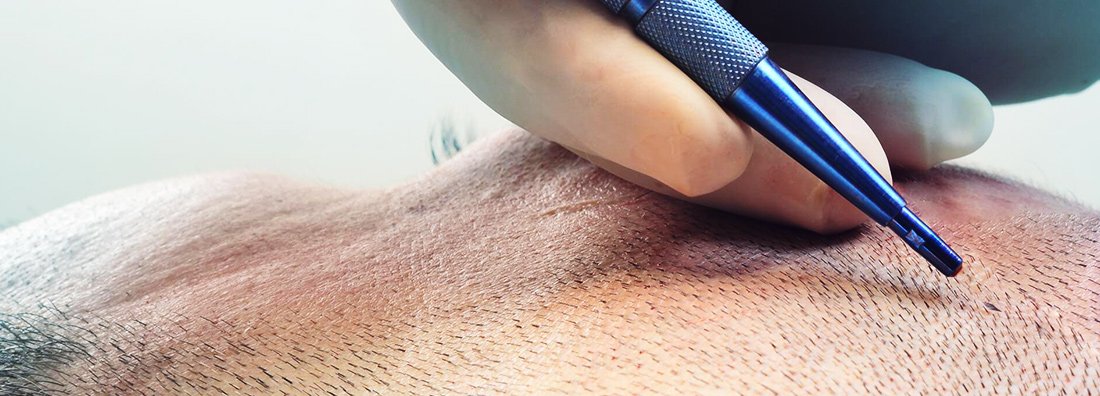
Alopecia is the medical term for hair loss, and the treatment approach depends entirely on the specific type you are dealing with, such as androgenetic alopecia (pattern baldness), alopecia areata (an autoimmune condition), or telogen effluvium (temporary thinning due to stress).
Because there isn’t a “one-size-fits-all” cure, treatments generally focus on either stimulating hair follicles or managing the underlying cause. Here is an overview of common options:
1. Topical and Oral Medications
- Minoxidil: An over-the-counter topical liquid or foam applied to the scalp. It works by widening blood vessels to deliver more oxygen and nutrients to hair follicles.
- Finasteride: A prescription oral medication primarily for men that works by blocking the hormone dihydrotestosterone (DHT), which shrinks hair follicles.
- Corticosteroids: For autoimmune types like alopecia areata, doctors may use injections, ointments, or pills to reduce inflammation around the hair follicle.
2. Clinical Procedures
- Platelet-Rich Plasma (PRP): A process where a patient’s own blood is processed to concentrate the platelets and then injected into the scalp to stimulate healing and growth.
- Hair Transplant Surgery: This involves moving hair follicles from a “donor site” (usually the back of the head) to thinning or bald areas. Modern techniques include:
- FUE (Follicular Unit Extraction): Individual follicles are moved.
- FUT (Follicular Unit Transplantation): A strip of skin is moved.
- Low-Level Laser Therapy (LLLT): Using medical-grade lasers to stimulate cellular activity in the follicles.
3. Emerging and Lifestyle Approaches
- JAK Inhibitors: Newer medications specifically approved for severe alopecia areata that help the immune system stop attacking hair follicles.
- Nutritional Support: Ensuring adequate intake of iron, zinc, biotin, and protein, though this is most effective if a deficiency is the primary cause of thinning.
Important Note: Early intervention is the most critical factor in treating alopecia. Once a follicle has completely scarred over, non-surgical treatments are rarely effective. Consulting a dermatologist for a scalp biopsy or blood panel is the standard first step for a personalized plan.
Primary Types of Alopecia
The treatment path is dictated by the specific diagnosis:
- Androgenetic Alopecia: Also known as male or female pattern baldness. It is hereditary and driven by a sensitivity to dihydrotestosterone (DHT), which causes follicles to shrink over time.
- Alopecia Areata: An autoimmune disorder where the immune system attacks hair follicles, often causing patchy hair loss.
- Telogen Effluvium: A temporary thinning usually triggered by a shock to the system, such as severe stress, surgery, or nutritional deficiencies.
- Traction Alopecia: Hair loss caused by repeated tension or pulling on the hair roots.
Advanced Clinical Procedures
When medications are insufficient, clinical procedures can offer more significant results:
- Platelet-Rich Plasma (PRP) Therapy: A patient’s blood is centrifuged to concentrate platelets, which are then injected into the scalp. These platelets release growth factors that can “jumpstart” dormant follicles.
- Hair Transplantation:
- Follicular Unit Extraction (FUE): Individual hair follicles are harvested one by one and transplanted to thinning areas. This method leaves minimal scarring.
- Follicular Unit Transplantation (FUT): A small strip of scalp is removed and divided into grafts. It is often used for larger areas of coverage.
- Low-Level Laser Therapy (LLLT): Devices (caps or combs) use medical-grade lasers to stimulate cellular metabolism and protein synthesis in the hair bulb.
Lifestyle and Supportive Care
While not always a “cure,” managing external factors can significantly improve treatment outcomes:
- Nutritional Optimization: Deficiencies in Iron, Zinc, Vitamin D, and Biotin are common contributors to thinning.
- Scalp Health: Reducing inflammation through specialized shampoos (containing Ketoconazole) can create a better environment for growth.
- Tension Management: Avoiding tight hairstyles to prevent permanent damage to the follicle.
Important Note: Early intervention is the most critical factor in treating alopecia. Once a follicle has completely scarred over, non-surgical treatments are rarely effective. Consulting a dermatologist for a scalp biopsy or blood panel is the standard first step for a personalized plan.
The Biological Mechanism of Hair Loss
Hair grows in three distinct phases. Alopecia occurs when these phases are disrupted:
- Anagen (Growth): Lasts 2–7 years. Treatments like Minoxidil aim to extend this phase.
- Catagen (Transition): Lasts 2–3 weeks. The follicle shrinks and detaches from the dermal papilla.
- Telogen (Resting): Lasts around 3 months. In Telogen Effluvium, an abnormal number of hairs enter this phase simultaneously due to systemic shock.
Clinical Treatment Breakthroughs
Beyond basic topicals, clinical dermatology utilizes targeted pathways to arrest hair loss:
Anti-Androgens (Hormonal Regulation)
For Androgenetic Alopecia, the goal is to inhibit 5-alpha reductase, the enzyme that converts testosterone into Dihydrotestosterone (DHT).
- Finasteride (Type II inhibitor): Reduces serum DHT levels by roughly 70%.
- Dutasteride (Type I & II inhibitor): Often used “off-label” when Finasteride is insufficient; it can reduce DHT by over 90%.
Immunomodulators (Autoimmune Response)
For Alopecia Areata, where T-cells attack the hair bulb:
- JAK Inhibitors (e.g., Baricitinib): These represent a massive shift in treatment. They block the Janus Kinase signaling pathway, effectively “turning off” the immune signal that tells the body to attack its own follicles.
Regenerative Medicine
- PRP (Platelet-Rich Plasma): Involves concentrating Growth Factors (such as VEGF and PDGF) from your own blood. When injected, these factors signal the follicle to increase vascularization (blood flow) and cellular proliferation.
- Exosome Therapy: An emerging field using extracellular vesicles to deliver signaling proteins to follicles. (Note: This is currently more experimental than PRP).
Diagnostic Indicators
A clinical diagnosis often involves more than a visual check. Specialists use:
- Pull Test: Gently pulling a cluster of hair to see how many follicles are in the telogen phase.
- Trichoscopy: Using a polarized dermatoscope to look for “yellow dots” (keratin plugs) or “exclamation point hairs” (pathognomonic for alopecia areata).
- Blood Panels: Testing for Ferritin (iron stores), TSH (thyroid function), and Free Testosterone to rule out underlying metabolic causes.

Leave a Reply