

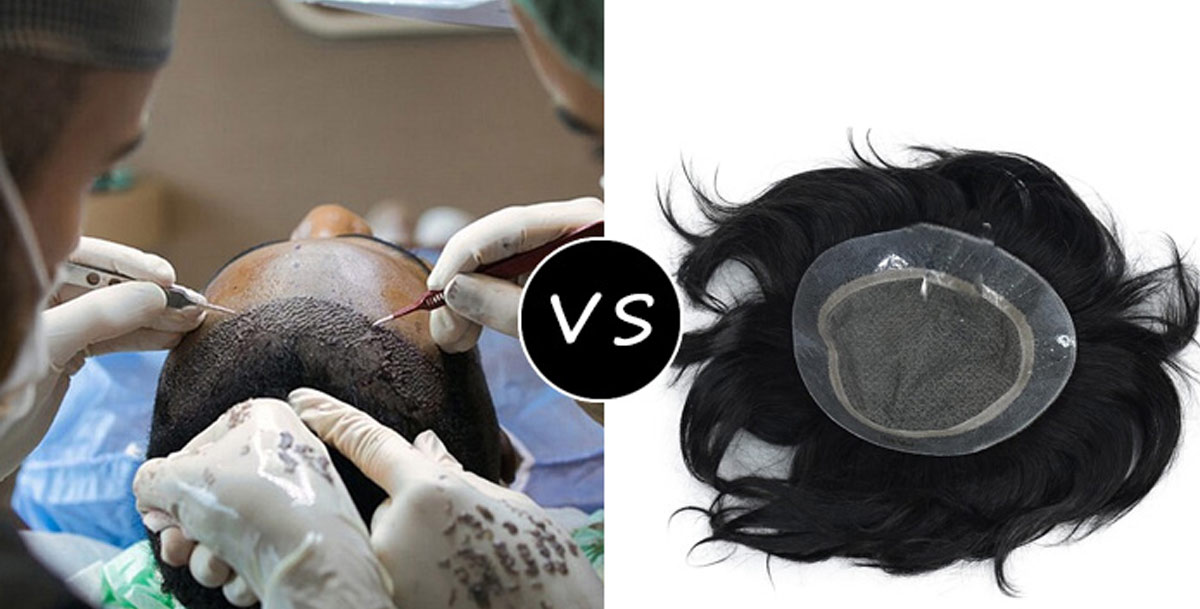
Hair loss is a growing concern among both men and women. Whether due to genetics, hormonal changes, or medical conditions, hair loss can significantly impact confidence and self-image. Thankfully, modern dermatology offers two effective solutions: Hair Patches and Hair Transplant. But which is right for you?
At Evoke Clinics, we offer both options with a personalized approach to help you make the best choice, tailored to your hair loss stage, lifestyle, and budget.
What is a Hair Patch?
A Hair Patch, also known as a hair system, wig, or non-surgical hair replacement, is a quick and painless solution for covering bald spots or thinning areas on the scalp. It is custom-made to perfectly match your natural hair’s color, texture, curl pattern, density, and style, ensuring a seamless and undetectable look.
Unlike over-the-counter wigs, hair patches are professionally designed and fitted by experts. They can be attached using skin-friendly adhesives, clips, or tapes and provide instant coverage, ideal for those looking for a non-committal, yet natural-looking solution
Benefits of Hair Patch:
- Non-invasive and pain-free: No needles, no surgery, and no recovery time.
- Instant results: Walk into the clinic and walk out with a full head of hair.
- Affordable alternative: Lower upfront cost compared to surgical options.
- Highly customizable: Tailored to suit individual scalp and hair needs.
- Reversible: Can be removed, upgraded, or replaced as needed.
Limitations of Hair Patch:
- Requires regular maintenance: Needs periodic cleaning, re-fixing, and professional care.
- May not feel like natural hair: Although they look real, some may notice differences in texture or sensation.
- Limited durability: Hair patches typically last from 6 months to 1 year, depending on usage and care.
- Activity restrictions: Certain adhesives may loosen with excessive sweating, swimming, or during high-impact activities.
What is a Hair Transplant?
A Hair Transplant is a surgical and permanent hair restoration solution. In this procedure, healthy hair follicles are harvested from a donor site (typically the back or sides of the scalp) and transplanted into bald or thinning areas.
There are two common techniques:
- FUE (Follicular Unit Extraction) – individual follicular units are extracted and implanted.
- FUT (Follicular Unit Transplantation) – a strip of scalp is removed, and follicles are separated and transplanted.
This method is ideal for people with pattern baldness, receding hairlines, or patchy hair loss who want a long-term, natural solution.
Benefits of Hair Transplant:
- Permanent results: Transplanted hair continues to grow naturally.
- Natural look and feel: The results blend seamlessly with your existing hair.
- Low maintenance: Once healed, transplanted hair needs no special care.
- Boosts confidence: Restores not just hair but also self-esteem and appearance.
- One-time solution: No need for frequent replacements like with patches or wigs.
Limitations of Hair Transplant:
- Involves surgery: Requires a minor surgical procedure and downtime of a few days.
- Higher initial cost: It’s an investment, but often more economical in the long run.
- Results take time: Full hair regrowth may take 6 to 12 months to be visible.
- Not for everyone: Requires a healthy donor area and is not suitable for total baldness.

Leave a Reply